 I love photos like this one. (It's from a Pennsylvania newspaper's photo contest.) This illustrates how animals are all independent with unique personalities. From everything I've read and heard, bears love bird seed. If it's left around they will eat it. This particular black bear decided to take the whole feeder with it to a private place to dismantle and consume the innards. Unfortunately, it doesn't look as if there will be much to enjoy by the time it hits the woods.
Thursday, December 08, 2011
Bears Do What They Do
I love photos like this one. (It's from a Pennsylvania newspaper's photo contest.) This illustrates how animals are all independent with unique personalities. From everything I've read and heard, bears love bird seed. If it's left around they will eat it. This particular black bear decided to take the whole feeder with it to a private place to dismantle and consume the innards. Unfortunately, it doesn't look as if there will be much to enjoy by the time it hits the woods.

Wednesday, December 07, 2011
Today's Mailbag
Since the latest flurry of publicity for me and for my work as a writer, I've gotten mail from a number of different sources. Two that really thrilled me today were from Bubbie Fatt of B. Fatt & Lazy Movie Reviews, one of the funniest sites on the Internet. And I got one from my Congressional Representative, Sue Myrick.
B.Fatt emailed me because I post at the site and he was touching base.
Sue Myrick because of the recent newspaper article about me. As it happens, I do write to her often, to try to get her to vote on legislation the way I want. No luck there, so far, but she and her office have always been responsive and civil. Which puts her in the company of the most responsive legislators whom I've routinely written over the years. I could always count on a response from the following elected officials:
Senator John Edwards.
Senator Jesse Helms.
Representative Sue Myrick.
Which brings me to a story about Rep. Myrick:
I used to deliver mail to a World War II aviator named Captain Killen. (Great name for a military character, and yes I filed it away for future use.) His wife had recently died and he was having trouble transporting her body. Forgive me, as I've forgotten some of the details, but either she had died while they were visiting in Italy or had died here and her wish was to be buried in Italy. Either way, he was having fits getting her body transported from point A to point B.
One day after he had told me of this difficulty, I was delivering mail to him when he stopped me to talk (as he almost always did). "Guess who I was just speaking to on the phone?"
"Who?" I asked.
He had gotten in touch with Representative Myrick. She knew, of course, where to go to get this done for Capt. Killen, but on this she needed some extra help. She needed someone with some clout, and she got it. So Captain Killen had a conference call that included himself, Congresswoman Myrick, and the late Senator Ted Kennedy who was able to get the final piece of the puzzle to fit to get the body of Mrs. Killen to its final resting place.
So there it was: he'd just gotten off the phone with one of the best known elected officials in North Carolina, and one of the best known in the nation. The two had put their heads together to help out this World War II veteran in his time of need.
That's what I call bi-partisan cooperation.

B.Fatt emailed me because I post at the site and he was touching base.
Sue Myrick because of the recent newspaper article about me. As it happens, I do write to her often, to try to get her to vote on legislation the way I want. No luck there, so far, but she and her office have always been responsive and civil. Which puts her in the company of the most responsive legislators whom I've routinely written over the years. I could always count on a response from the following elected officials:
Senator John Edwards.
Senator Jesse Helms.
Representative Sue Myrick.
Which brings me to a story about Rep. Myrick:
I used to deliver mail to a World War II aviator named Captain Killen. (Great name for a military character, and yes I filed it away for future use.) His wife had recently died and he was having trouble transporting her body. Forgive me, as I've forgotten some of the details, but either she had died while they were visiting in Italy or had died here and her wish was to be buried in Italy. Either way, he was having fits getting her body transported from point A to point B.
One day after he had told me of this difficulty, I was delivering mail to him when he stopped me to talk (as he almost always did). "Guess who I was just speaking to on the phone?"
"Who?" I asked.
He had gotten in touch with Representative Myrick. She knew, of course, where to go to get this done for Capt. Killen, but on this she needed some extra help. She needed someone with some clout, and she got it. So Captain Killen had a conference call that included himself, Congresswoman Myrick, and the late Senator Ted Kennedy who was able to get the final piece of the puzzle to fit to get the body of Mrs. Killen to its final resting place.
So there it was: he'd just gotten off the phone with one of the best known elected officials in North Carolina, and one of the best known in the nation. The two had put their heads together to help out this World War II veteran in his time of need.
That's what I call bi-partisan cooperation.

Thanks, Cap'n Killen!
Tuesday, December 06, 2011
Writing Zombies
Well, here I am knee-deep in zombies. I thought that it would be a while before I wrote another zombie novel, but...well, zombie happens.
The new books--a trilogy--will be much more traditional zombie novels. Lots of gun-play and gruesome battles.
I'm having a good time writing the initial volume and the words are flowing along. I'm hoping to complete the first one within the next few weeks.

Until I deliver the new books, you can still find my original zombie tome, THE LIVING END at your favorite online bookseller.
The new books--a trilogy--will be much more traditional zombie novels. Lots of gun-play and gruesome battles.
I'm having a good time writing the initial volume and the words are flowing along. I'm hoping to complete the first one within the next few weeks.

This is the best zombie makeup I've ever seen. Subtle, but really chilling.
Until I deliver the new books, you can still find my original zombie tome, THE LIVING END at your favorite online bookseller.
Monday, December 05, 2011
People Ask the Darndest Things...
Soon after I sold my first novel I'd get requests from folk I know--and sometimes from strangers--asking me to help them write a book. No shit. As if I don't have enough to keep me busy as it is. Mainly they were in the category I'd always heard about but never thought I'd meet:
I'll come up with the ideas and you do the writing.
Right.
Now, I'm not listing these people within the very small group of other writers with whom I've collaborated. That's another issue entirely and worth a long essay in and of itself. But that's not what I'm talking about now.
After I'd sold my next novel and then a third these people kept popping up. I know why they pop up, but I can't explain why they would suppose I would find that their ideas could be as intriguing to me as the ones that occur to me without their input. I reckon it's their egos at work. Or maybe they're just dense. I can't say, exactly.
When the news broke that I'd optioned THE FLOCK to Don Murphy and John Wells through Warner Brothers, things got even worse. People I hadn't spoken to in years phoned me up to tell me that they, too, had a great idea that would make a fantastic movie. And sometimes before I could object or turn the conversation they would commence to telling me their great idea in all of its glory (not!). Adults would act like adolescents, spilling out ridiculous tripe as if it were spun literary gold. I would sit and listen or, if I was on the phone, I'd get back to what I was doing, checking from time to time to see if they were still babbling. Sometimes this would go on for a LONG time before I could cut myself loose.
If I was lucky they wouldn't want to tell me too much about their great idea, but instead would ask me to put them in touch with my agent. Or to give them the phone number and email address of the producers who'd optioned my novel.
I'm telling you that I'm not making this stuff up. It happened and it continues to happen.
These guys--most of them are men, but a few are women--would tell me about how they were tired of making their living doing whatever it is they do, and that they want to get into the big money by selling their ideas to Hollywood.
Oh, well. I guess I shouldn't complain. This does mean that I have reached a modest level of near-success that makes me the target of the pained desperation of some poor souls. That's why I'm just generally quiet when they do this embarrassing thing. I try not to let on what fools they're making of themselves and how much of my time they're wasting. It's all rather sad. I try to explain to them that there's nothing I can do to help and that I'm not going to put them in touch with agencies or producers or screenwrights, and that I can't help them write anything myself because I'm far too busy with work that's all mine.
It happens.

I'll come up with the ideas and you do the writing.
Right.
Now, I'm not listing these people within the very small group of other writers with whom I've collaborated. That's another issue entirely and worth a long essay in and of itself. But that's not what I'm talking about now.
After I'd sold my next novel and then a third these people kept popping up. I know why they pop up, but I can't explain why they would suppose I would find that their ideas could be as intriguing to me as the ones that occur to me without their input. I reckon it's their egos at work. Or maybe they're just dense. I can't say, exactly.
When the news broke that I'd optioned THE FLOCK to Don Murphy and John Wells through Warner Brothers, things got even worse. People I hadn't spoken to in years phoned me up to tell me that they, too, had a great idea that would make a fantastic movie. And sometimes before I could object or turn the conversation they would commence to telling me their great idea in all of its glory (not!). Adults would act like adolescents, spilling out ridiculous tripe as if it were spun literary gold. I would sit and listen or, if I was on the phone, I'd get back to what I was doing, checking from time to time to see if they were still babbling. Sometimes this would go on for a LONG time before I could cut myself loose.
If I was lucky they wouldn't want to tell me too much about their great idea, but instead would ask me to put them in touch with my agent. Or to give them the phone number and email address of the producers who'd optioned my novel.
I'm telling you that I'm not making this stuff up. It happened and it continues to happen.
These guys--most of them are men, but a few are women--would tell me about how they were tired of making their living doing whatever it is they do, and that they want to get into the big money by selling their ideas to Hollywood.
Oh, well. I guess I shouldn't complain. This does mean that I have reached a modest level of near-success that makes me the target of the pained desperation of some poor souls. That's why I'm just generally quiet when they do this embarrassing thing. I try not to let on what fools they're making of themselves and how much of my time they're wasting. It's all rather sad. I try to explain to them that there's nothing I can do to help and that I'm not going to put them in touch with agencies or producers or screenwrights, and that I can't help them write anything myself because I'm far too busy with work that's all mine.
It happens.

How about this? I'll come up with the ideers, and you do the writin'!
Sunday, December 04, 2011
Congaree National Park, February 2009
I thought I'd post a few photographs that I took while on a field trip with the folk from the Native Tree Society back in February of 2009. On that day we visited the Congaree National Park to view a number of the National champion trees that grow within that park.
I'll let most of the photos speak for themselves. I downloaded them at full resolution, so click on them to see them at larger, more detailed size.
 When we started the hike, the temperature was well below freezing. I strongly suggest that any visit to Congaree National Park be in cool or cold weather, as the mosquitoes and ticks are vicious and in the billions there.


 As we headed out from the day-long hike, we had occasion to use a fallen giant as a bridge across a body of water.
I'll let most of the photos speak for themselves. I downloaded them at full resolution, so click on them to see them at larger, more detailed size.
 When we started the hike, the temperature was well below freezing. I strongly suggest that any visit to Congaree National Park be in cool or cold weather, as the mosquitoes and ticks are vicious and in the billions there.
Between a big tree and a bigger tree.


This forest is astounding. One of the finest tree canopies I've seen.


This one is a world champion.
 As we headed out from the day-long hike, we had occasion to use a fallen giant as a bridge across a body of water.
One-week only Sale!
One-week Christmas season promo on my novel, THE LIVING END. Grab an ebook version of it for only 99 cents!
Horror novelist Joe McKinney had this to say about the book:
Not since Philip K. Dick have I a read an author who so convincingly paints the social milieu of his story's world. Plus, he gives us zombies. Bravo! Your book blew me away. --Joe McKinney, author DEAD CITY
 THE LIVING END: A Zombie Novel by James Robert Smith, author of THE FLOCK. From Severed Press.
Horror novelist Joe McKinney had this to say about the book:
Not since Philip K. Dick have I a read an author who so convincingly paints the social milieu of his story's world. Plus, he gives us zombies. Bravo! Your book blew me away. --Joe McKinney, author DEAD CITY
THE LIVING END: A Zombie Novel by James Robert Smith, author of THE FLOCK. From Severed Press.Friday, December 02, 2011
Joe Dodge Lodge
Way back in 2007 Carole and I traveled to Maine and New Hampshire. The main part of our trip was so that I could climb Mount Washington with Sam Baucom, the husband of one of Carole's best friends, Bobbie Baucom. Like me, Sam is an avid hiker, but since he also runs marathons he's in a lot better shape than I am.
While we were in the White Mountains of New Hampshire, we stayed at a place called Joe Dodge Lodge. We don't have many places like Joe Dodge here in the South. The Lodge on Mount LeConte is similar, as is the Len Foote Hike Inn. However, Joe Dodge is a bit more civilized than those places, in that you can access it via auto.
Carole and I totally enjoyed our stay there. The rooms are very basic...but after a long day's hike, they're more than adequate for a tired body. The best thing about the stay is the food. Meals are mainly served family style in the huge dining room and the quality of the food is exceptional. They also serve vegetarian meals for those who don't eat meat. I wasn't into the whole vegetarian scene when I was there, but the next time we go I'll have plenty to choose from at meal-time.
And we will return. We had such a great time that we want to stay once again at one of the lodges run by the Appalachian Mountain Club up there.
 This is the dining room at Joe Dodge. Separated by a short walk from the main part of the lodge.
 And the main lodge with the White Mountains looming on the skyline beyond.

 Since our southern peaks don't have a tree-line, you don't see any scenes like this one south of the Mason and Dixon Line.
While we were in the White Mountains of New Hampshire, we stayed at a place called Joe Dodge Lodge. We don't have many places like Joe Dodge here in the South. The Lodge on Mount LeConte is similar, as is the Len Foote Hike Inn. However, Joe Dodge is a bit more civilized than those places, in that you can access it via auto.
Carole and I totally enjoyed our stay there. The rooms are very basic...but after a long day's hike, they're more than adequate for a tired body. The best thing about the stay is the food. Meals are mainly served family style in the huge dining room and the quality of the food is exceptional. They also serve vegetarian meals for those who don't eat meat. I wasn't into the whole vegetarian scene when I was there, but the next time we go I'll have plenty to choose from at meal-time.
And we will return. We had such a great time that we want to stay once again at one of the lodges run by the Appalachian Mountain Club up there.
 This is the dining room at Joe Dodge. Separated by a short walk from the main part of the lodge.
 And the main lodge with the White Mountains looming on the skyline beyond.
Our basic room at Joe Dodge Lodge.
 Since our southern peaks don't have a tree-line, you don't see any scenes like this one south of the Mason and Dixon Line.
Thursday, December 01, 2011
How Anthologies Work
For some reason I've never quite figured, the way many publishers handle anthology payments is that they pay the editor the entire funds budgeted for the book, and the editor pays the creators for each story. This is not always the case, but often.
Subsequently, because the publisher has treated the editor as a kind of sub-contractor on the project, any royalties earned are forwarded to the editor who is then obliged to send a pro-rata share to each author, depending on the percentage of the book contributed by each author. For instance, if it is established by contract that an author will receive 10% of the royalties earned because his story encompassed 10% of the anthology, then if the editor is given $2,000 to disburse among the contributors, that author would receive $200 in royalty payments.
Some years back I sold a story to the anthology CHILDREN OF CTHULHU published by Del Rey Books and edited by John Pelan and Ben Adams. For whatever reason, of the two editors, Pelan was given control of the purse strings on the book. I was initially paid for my story, but have to this date never received a penny earned in royalties. This despite the fact that the book is still in print after a full decade and seems to be a perennially good seller for Del Rey Books. I've inquired to find out why I've never received any royalties, but no good answer has been forthcoming.

Of the two editors of the book, the only one I speak to is my pal Ben Adams who has always stayed in touch with me. He, too, has never seen a penny out of the anthology's royalties, despite being the co-editor. I've been told that all such funds are forwarded elsewhere. Del Rey has never bothered to clear this up with me, so I have no idea where. Neither does Ben. I've never been able to get in touch with John Pelan about it.
I have only co-edited a single anthology in my days as a writer/editor. That was EVERMORE for Arkham House Books. Before her death, I was told by April Derleth (the publisher) that she thought she owed us some royalties, but she never made that clear. Since her death I've not heard from the folk who are in charge there now. I was happy when Arkham House actually cut each check for the authors in that volume, so I assume they'll do the same when (and if) the book earns out royalties.
Other anthologies of which I have been a part have paid out royalties regularly and with perfect accounting. Especially when I sold to anthologies handled by the late Marty Greenberg.
Will I ever be made aware of, or receive royalties from CHILDREN OF CTHULHU? Who knows?
Subsequently, because the publisher has treated the editor as a kind of sub-contractor on the project, any royalties earned are forwarded to the editor who is then obliged to send a pro-rata share to each author, depending on the percentage of the book contributed by each author. For instance, if it is established by contract that an author will receive 10% of the royalties earned because his story encompassed 10% of the anthology, then if the editor is given $2,000 to disburse among the contributors, that author would receive $200 in royalty payments.
Some years back I sold a story to the anthology CHILDREN OF CTHULHU published by Del Rey Books and edited by John Pelan and Ben Adams. For whatever reason, of the two editors, Pelan was given control of the purse strings on the book. I was initially paid for my story, but have to this date never received a penny earned in royalties. This despite the fact that the book is still in print after a full decade and seems to be a perennially good seller for Del Rey Books. I've inquired to find out why I've never received any royalties, but no good answer has been forthcoming.

Of the two editors of the book, the only one I speak to is my pal Ben Adams who has always stayed in touch with me. He, too, has never seen a penny out of the anthology's royalties, despite being the co-editor. I've been told that all such funds are forwarded elsewhere. Del Rey has never bothered to clear this up with me, so I have no idea where. Neither does Ben. I've never been able to get in touch with John Pelan about it.
I have only co-edited a single anthology in my days as a writer/editor. That was EVERMORE for Arkham House Books. Before her death, I was told by April Derleth (the publisher) that she thought she owed us some royalties, but she never made that clear. Since her death I've not heard from the folk who are in charge there now. I was happy when Arkham House actually cut each check for the authors in that volume, so I assume they'll do the same when (and if) the book earns out royalties.
Other anthologies of which I have been a part have paid out royalties regularly and with perfect accounting. Especially when I sold to anthologies handled by the late Marty Greenberg.
Will I ever be made aware of, or receive royalties from CHILDREN OF CTHULHU? Who knows?
Wednesday, November 30, 2011
Ridgepole Mountain
Years and years ago I went hiking on the Appalachian Trail to get to a point where I could bushwhack to the summit of a mountain named Ridgepole Mountain. The old story when I was a kid was that Ridgepole Mountain was originally supposed to have been in Georgia. That is, the northern boundary of Georgia was to have been struck slightly north of where it ended up. However, the local Cherokees were in an agitated state and the surveyors tasked with marking the northern boundary were afraid to proceed, so they just picked a convenient spot and called it the northern boundary of the state.
Therefore, as all good little hiking Georgians from the days of my youth would say, WE WUZ ROBBED!
Robbed of what?
Well, apparently we were robbed of some 5,000-foot peaks. That was the buzz along the trail when I was a kid. If only those surveyors hadn't been such scaredy-cats, then we'd have some fivers in my native state. And I would always think about what would have happened if Ridgepole Mountain had become our highest point. Instead of Brasstown Bald having a road carved onto its slopes and all the way to the summit; instead of Brasstown Bald having its top leveled and a huge brick and concrete visitor's center lodged on its high point, then all of those crimes would have been committed against Ridgepole Mountain.
And what is Ridgepole Mountain now? It sits in the middle of a relatively enormous (by eastern standards) wilderness. There is nothing built on its summit. There are no roads gouged into its flanks. It sits in a sea of green, just one more 5,000-foot mountain surrounded by other 5,000-foot mountains.
Hiking on Ridgepole Mountain and the surrounding untouched wilderness, I'm always very happy that those Cherokee braves scared off those European surveyors.
 Off in the distance there is Ridgepole Mountain. I took this shot from a mountain called Pickens Nose, named for the Revolutionary War general, Andrew Pickens (whose life served as the fictional basis for the character in the film THE PATRIOT). In real life, Pickens was a stealer of Cherokee land and killer of that nation's people.
 This was, as near as I could figure through line of sight, the actual summit of Ridgepole Mountain. There is no visitor's center here. No road. No cars, no trucks, and other than me that day, no people. Just a great southern hardwood forest. It also has the highest bear population density in the southeast.
 I found this really excellent campsite on the way to the bushwhack to Ridgepole. It's not far off the Appalachian Trail. Another neat feature of this campsite is that just a few feet away is a sheer cliff that plummets many hundreds (maybe over a thousand) feet.
 Just beyond those shrubs is the edge of the cliff. Since I was all alone, that was as close as I dared go.
 For contrast, this is what could have become of Ridgepole Mountain if it had ended up in Georgia instead of North Carolina. If it had been Georgian territory, it would have been our only 5,000-foot peak and would be ruined, as the summit of Brasstown Bald is ruined...
 Instead, this is the extent of the engineering done on the slopes and ridges of Ridgepole Mountain. You can thank the Cherokee warriors of many generations gone...
Therefore, as all good little hiking Georgians from the days of my youth would say, WE WUZ ROBBED!
Robbed of what?
Well, apparently we were robbed of some 5,000-foot peaks. That was the buzz along the trail when I was a kid. If only those surveyors hadn't been such scaredy-cats, then we'd have some fivers in my native state. And I would always think about what would have happened if Ridgepole Mountain had become our highest point. Instead of Brasstown Bald having a road carved onto its slopes and all the way to the summit; instead of Brasstown Bald having its top leveled and a huge brick and concrete visitor's center lodged on its high point, then all of those crimes would have been committed against Ridgepole Mountain.
And what is Ridgepole Mountain now? It sits in the middle of a relatively enormous (by eastern standards) wilderness. There is nothing built on its summit. There are no roads gouged into its flanks. It sits in a sea of green, just one more 5,000-foot mountain surrounded by other 5,000-foot mountains.
Hiking on Ridgepole Mountain and the surrounding untouched wilderness, I'm always very happy that those Cherokee braves scared off those European surveyors.
 Off in the distance there is Ridgepole Mountain. I took this shot from a mountain called Pickens Nose, named for the Revolutionary War general, Andrew Pickens (whose life served as the fictional basis for the character in the film THE PATRIOT). In real life, Pickens was a stealer of Cherokee land and killer of that nation's people.
 This was, as near as I could figure through line of sight, the actual summit of Ridgepole Mountain. There is no visitor's center here. No road. No cars, no trucks, and other than me that day, no people. Just a great southern hardwood forest. It also has the highest bear population density in the southeast.
 I found this really excellent campsite on the way to the bushwhack to Ridgepole. It's not far off the Appalachian Trail. Another neat feature of this campsite is that just a few feet away is a sheer cliff that plummets many hundreds (maybe over a thousand) feet.
 Just beyond those shrubs is the edge of the cliff. Since I was all alone, that was as close as I dared go.
 For contrast, this is what could have become of Ridgepole Mountain if it had ended up in Georgia instead of North Carolina. If it had been Georgian territory, it would have been our only 5,000-foot peak and would be ruined, as the summit of Brasstown Bald is ruined...
 Instead, this is the extent of the engineering done on the slopes and ridges of Ridgepole Mountain. You can thank the Cherokee warriors of many generations gone...
Tuesday, November 29, 2011
Some Old Hike Photos
All of these photos were taken, I'm pretty sure, in 2005. I did a lot of hiking in 2004 through 2005, all of it solo. Back then I didn't know anyone else who hiked or backpacked and so I took a lot of such trips by myself. Sometimes Carole and I would camp at a nice National Forest campground and she'd stay at the campsite while I climbed mountains or wandered around hunting for waterfalls and big trees.
 I took this self-portrait on the last camping trip we went on without our travel trailer. The evening I took this, a big black bear came into our campsite and dismantled it hunting for food. After that, we vowed to get a hard-sided travel trailer, which is one of the main reasons we ended up buying our Casita. (I think the name of this waterfall is Mooney Falls. Near Standing Indian Campground in the Nantahala National Forest here in North Carolina.)
 This was taken near the summit of Whitetop Mountain, the second highest mountain in Virginia and one of the few peaks in that state to stand over a mile in elevation.
 This is my Sound of Music pose. This was taken in late November and it was hellishly warm that day. About 80 degrees even there at about 5400 feet above sea level.
 Nantahala Lake. Not really a hike, but a paddle. Carole and I took the canoe out on the lake. This was on the same trip when the bear raided our camp.
 I took this one on what I like to term: The Hike that Nearly Killt Me. This is on a patch of the Black Mountain Crest Trail. It's probably the toughest trail in North Carolina. I've hiked it a number of times, and every time I do it I end up in bad shape. Leg cramps, sore joints, exhaustion. On this trip I did the trail in halves by camping at Deep Gap in the middle of the trail, but the second day was a hike out to the northern terminus, then back to the Gap to pack up my stuff, then out to the southern terminus. I thought I was gonna die by the time it was over.
 I took this self-portrait on the last camping trip we went on without our travel trailer. The evening I took this, a big black bear came into our campsite and dismantled it hunting for food. After that, we vowed to get a hard-sided travel trailer, which is one of the main reasons we ended up buying our Casita. (I think the name of this waterfall is Mooney Falls. Near Standing Indian Campground in the Nantahala National Forest here in North Carolina.)
 This was taken near the summit of Whitetop Mountain, the second highest mountain in Virginia and one of the few peaks in that state to stand over a mile in elevation.
 This is my Sound of Music pose. This was taken in late November and it was hellishly warm that day. About 80 degrees even there at about 5400 feet above sea level.
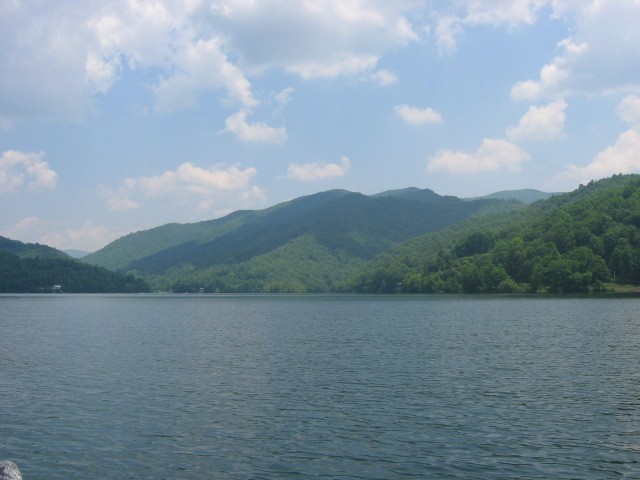 Nantahala Lake. Not really a hike, but a paddle. Carole and I took the canoe out on the lake. This was on the same trip when the bear raided our camp.
 I took this one on what I like to term: The Hike that Nearly Killt Me. This is on a patch of the Black Mountain Crest Trail. It's probably the toughest trail in North Carolina. I've hiked it a number of times, and every time I do it I end up in bad shape. Leg cramps, sore joints, exhaustion. On this trip I did the trail in halves by camping at Deep Gap in the middle of the trail, but the second day was a hike out to the northern terminus, then back to the Gap to pack up my stuff, then out to the southern terminus. I thought I was gonna die by the time it was over.
Monday, November 28, 2011
Mah Blawg
It's difficult for me to do a blog on writing when I'm actually too busy doing that. I took on a project with a deadline, so that is going to severely limit my time blogging. I'll try to figure a way to work it into the mix.
I'm also unable to add much to posts about new hiking and camping destinations because I haven't had the time to do either of those things. When the new year dawns I'm going to take a few days to hit the trails.
So here are a couple of photos from December of 2009. That was the last time that Carole and I drove up to Sparta NC to buy a fresh Christmas tree from a tree farm. We haven't put up a tree in a while. It's just not the same with no child around.
On the way back to Charlotte we stopped at Stone Mountain State Park and I hiked up the climber's trail to the base of the cliff where I could get some photos of climbers scaling the cliff face. One guy was an instructor and he was trying to teach some chick how to climb. Maybe it was his current girlfriend and he was making an attempt to get her into his hobby.Or it could be that she was just interested in climbing and had paid for a climbing lesson. Whatever it was, one thing it wasn't was going to fly.
 Here's a shot of the instructor and his female student. I could hear them clearly from my post where I scrambled up the rock face by way of friction climbing. When it got too steep for that I just stopped and took photos of the climbing parties (there were several). The teacher was trying like heck to get the girl to just stand the fuck up. She would not, could not do it. All she could do was crouch there hugging the granite face. She just was not a good candidate for technical climbing.
 I can still hear his calming voice as he tried to coax her to stand up so that they could continue the climb. He was very patient and very calm. All I wanted to do was scream up at her, "STAND THE FUCK UP! JUST STAND THE FUCK UP AND YOU CAN WALK TO THE NEXT FUCKING LEDGE YOU FREAKING SISSY!"
I'm also unable to add much to posts about new hiking and camping destinations because I haven't had the time to do either of those things. When the new year dawns I'm going to take a few days to hit the trails.
So here are a couple of photos from December of 2009. That was the last time that Carole and I drove up to Sparta NC to buy a fresh Christmas tree from a tree farm. We haven't put up a tree in a while. It's just not the same with no child around.
On the way back to Charlotte we stopped at Stone Mountain State Park and I hiked up the climber's trail to the base of the cliff where I could get some photos of climbers scaling the cliff face. One guy was an instructor and he was trying to teach some chick how to climb. Maybe it was his current girlfriend and he was making an attempt to get her into his hobby.Or it could be that she was just interested in climbing and had paid for a climbing lesson. Whatever it was, one thing it wasn't was going to fly.
 Here's a shot of the instructor and his female student. I could hear them clearly from my post where I scrambled up the rock face by way of friction climbing. When it got too steep for that I just stopped and took photos of the climbing parties (there were several). The teacher was trying like heck to get the girl to just stand the fuck up. She would not, could not do it. All she could do was crouch there hugging the granite face. She just was not a good candidate for technical climbing.
 I can still hear his calming voice as he tried to coax her to stand up so that they could continue the climb. He was very patient and very calm. All I wanted to do was scream up at her, "STAND THE FUCK UP! JUST STAND THE FUCK UP AND YOU CAN WALK TO THE NEXT FUCKING LEDGE YOU FREAKING SISSY!"
Sunday, November 27, 2011
Zombie Time
I had considered writing a sequel to THE LIVING END. I still have it plotted and I may write that novel at some time. Its title is THE NEW ECOLOGY OF DEATH, but I have so many other writing projects on my desk that I can't see my way clear to work on that one just now.
 In addition, I signed a new contract to produce three zombie novels. These will be something a lot different from my own vision of the zombie trope. They're grounded firmly in the Romero-esque world of zombie fiction, which to my way of thinking is the only way to treat zombies.
 Some authors have produced stories and films where zombies aren't dead, merely infected with a disease. That's not my take, at all. Others have produced the undead as super-fast so that they're like Olympic sprinters with a bad attitude. That's not my take, either.
 And, of course, there are those who have zombies that eat things other than living humans, that develop the ability to reason, that come back to life within instants of having been infected and killed. That ain't my idea of the basis of a zombie tale, either.
 George Romero and John Russo laid down the rules back in 1968, and I'm stickin' to those, even if their creators veer from them from time to time. The zombies are all but mindless. They're slow and implacable and can only be stopped by destroying their brains. If you're bitten by a zombie, you might have a few days, but you're going to get very sick and you're going to die. And no matter what kills you, unless your brain is destroyed, you're going to come back as a zombie, too.
 Those are the rules.
Look for my three-book series (written as Robert Mathis Kurtz) coming soon.
 In addition, I signed a new contract to produce three zombie novels. These will be something a lot different from my own vision of the zombie trope. They're grounded firmly in the Romero-esque world of zombie fiction, which to my way of thinking is the only way to treat zombies.
 Some authors have produced stories and films where zombies aren't dead, merely infected with a disease. That's not my take, at all. Others have produced the undead as super-fast so that they're like Olympic sprinters with a bad attitude. That's not my take, either.
 And, of course, there are those who have zombies that eat things other than living humans, that develop the ability to reason, that come back to life within instants of having been infected and killed. That ain't my idea of the basis of a zombie tale, either.
 George Romero and John Russo laid down the rules back in 1968, and I'm stickin' to those, even if their creators veer from them from time to time. The zombies are all but mindless. They're slow and implacable and can only be stopped by destroying their brains. If you're bitten by a zombie, you might have a few days, but you're going to get very sick and you're going to die. And no matter what kills you, unless your brain is destroyed, you're going to come back as a zombie, too.
 Those are the rules.
Look for my three-book series (written as Robert Mathis Kurtz) coming soon.
Saturday, November 26, 2011
They'll Steal My Ideer!
Many is the time I've heard young (or new) writers worry about the submission process.
"They'll steal my idea!"
You'd be surprised how many writers (or, actually, wannabe writers) worry about this. There are a lot of things that young writers should worry about, but this is very low on the list of such things. Grammar, punctuation, plot, ability. These are things that they should worry about.
That said, in the many years that I did submit my work, I suspected that one of my plots was stolen (at a comics company), and one was all but confirmed as stolen (at a magazine). I'll just talk about the one for which I have the most evidence. (And, no, I won't name any names. It's water under the bridge, even as pissed as I still am about it.)

Back in the 1980s and early 90s I was writing like mad. I would rarely go a week without writing a new short story, and I kept the Postal Service busy in sending out my manuscripts to magazines and anthologies far and wide. (This is one thing that I do really like about the digital age--online submissions.)
There was a particular market that I was often trying (without success) to crack. It was a horror magazine and I really wanted to get my name on their contents list. I would send stories there with some regularity. I'd heard that they had a new first reader/assistant editor who was also a writer, so I sent him one of my stories. It had a neat plot that boiled down to this:
What if everyone in the country who owned a gun was suddenly overcome with the urge to use it to shoot someone, anyone?
I've always had difficulty with titles for my stories and struggle as I might, the best I could come up with for this one was "One of These Days". I sent it out to the mag, specifically to the new assistant editor.
After a while, the story was returned, with a note from the assistant editor (I still have it). It read, "This one is pretty good, but it lacks a certain impetus, so I'm passing."
Fair enough. Unlike many other writers I've always appreciated the time an editor takes to read my work even if they don't accept it for publication. I've always had a thick skin that way. You really need that to be a writer.
Well, imagine my surprise when, a couple of months later, I get a copy of the magazine. In it, there's a brand-new story by that very same assistant editor. That story's basic premise? If you guessed 'what if everyone in the country who owned a gun was suddenly overcome with the urge to use that gun shoot someone, anyone?', then you are correct! To add a very special insult to the injury was a note on the editorial page by the publisher explaining how the author/assistant had come to the publisher with this great new story that was so good that the publisher delayed the deadline to include it in the issue. I'm positive it was written about a day or so after he put my own story back in the mail to me.
Shit does happen.
"They'll steal my idea!"
You'd be surprised how many writers (or, actually, wannabe writers) worry about this. There are a lot of things that young writers should worry about, but this is very low on the list of such things. Grammar, punctuation, plot, ability. These are things that they should worry about.
That said, in the many years that I did submit my work, I suspected that one of my plots was stolen (at a comics company), and one was all but confirmed as stolen (at a magazine). I'll just talk about the one for which I have the most evidence. (And, no, I won't name any names. It's water under the bridge, even as pissed as I still am about it.)

Back in the 1980s and early 90s I was writing like mad. I would rarely go a week without writing a new short story, and I kept the Postal Service busy in sending out my manuscripts to magazines and anthologies far and wide. (This is one thing that I do really like about the digital age--online submissions.)
There was a particular market that I was often trying (without success) to crack. It was a horror magazine and I really wanted to get my name on their contents list. I would send stories there with some regularity. I'd heard that they had a new first reader/assistant editor who was also a writer, so I sent him one of my stories. It had a neat plot that boiled down to this:
What if everyone in the country who owned a gun was suddenly overcome with the urge to use it to shoot someone, anyone?
I've always had difficulty with titles for my stories and struggle as I might, the best I could come up with for this one was "One of These Days". I sent it out to the mag, specifically to the new assistant editor.
After a while, the story was returned, with a note from the assistant editor (I still have it). It read, "This one is pretty good, but it lacks a certain impetus, so I'm passing."
Fair enough. Unlike many other writers I've always appreciated the time an editor takes to read my work even if they don't accept it for publication. I've always had a thick skin that way. You really need that to be a writer.
Well, imagine my surprise when, a couple of months later, I get a copy of the magazine. In it, there's a brand-new story by that very same assistant editor. That story's basic premise? If you guessed 'what if everyone in the country who owned a gun was suddenly overcome with the urge to use that gun shoot someone, anyone?', then you are correct! To add a very special insult to the injury was a note on the editorial page by the publisher explaining how the author/assistant had come to the publisher with this great new story that was so good that the publisher delayed the deadline to include it in the issue. I'm positive it was written about a day or so after he put my own story back in the mail to me.
Shit does happen.
Thursday, November 24, 2011
Putting Together a Collection
After HISSMELINA hits the Internet via trade paperback and ebook versions, my next project is the fantasy collection, FOUR FROM MANGROVE.
For years I have been publishing short stories all based in, or around, an iron-age city-state called Mangrove. So I took what I consider to be the finest four short stories and collected them for publication in a single volume.
The four stories that I selected were: "A Child of the War God", which is set the earliest in the one thousand-year history of Mangrove; "Deadly", another one in an earlier version of the nation; "One Curse, One Blessing", which was the first Mangrove story that I ever sold and which was always my intent to expand into a novel at some future date; and "The Krang", the most recently written of the quartet and which takes place in what I consider to be the height of that state's position as an empire.
Early on in my days as a writer I wanted to compose mainly fantasy fiction. This was, of course, part of an urge to try to achieve something like the emotions I felt upon reading the works of Robert E. Howard, Clark Ashton Smith, Fritz Leiber, and Karl Edward Wagner. But in the days when I wanted to work in that format I always had a literary agent. And each time I would mention the subject to my agent (whomever that might be at the time) I was dissuaded from pursuing the matter because "fantasy is a hard sell". And they'd steer me back toward horror. (Yeah, I know...LOL!)
And so, of course, this has led me to the conclusion that the ebook format could very well be the liberating influence that so many writers have concluded. The verdict is still out on that matter, in my opinion. I won't have my first ebook reader until Santy Claus arrives at my house on Saturnalia. However, it has released me to finally place my fantasy fiction (at least some of it) out there in a format other than a single short story sold here or there over the course of many years.
 Along with Howard and the likes of Karl Wagner, Frazetta inspired my love of fantasy fiction.
For years I have been publishing short stories all based in, or around, an iron-age city-state called Mangrove. So I took what I consider to be the finest four short stories and collected them for publication in a single volume.
The four stories that I selected were: "A Child of the War God", which is set the earliest in the one thousand-year history of Mangrove; "Deadly", another one in an earlier version of the nation; "One Curse, One Blessing", which was the first Mangrove story that I ever sold and which was always my intent to expand into a novel at some future date; and "The Krang", the most recently written of the quartet and which takes place in what I consider to be the height of that state's position as an empire.
Early on in my days as a writer I wanted to compose mainly fantasy fiction. This was, of course, part of an urge to try to achieve something like the emotions I felt upon reading the works of Robert E. Howard, Clark Ashton Smith, Fritz Leiber, and Karl Edward Wagner. But in the days when I wanted to work in that format I always had a literary agent. And each time I would mention the subject to my agent (whomever that might be at the time) I was dissuaded from pursuing the matter because "fantasy is a hard sell". And they'd steer me back toward horror. (Yeah, I know...LOL!)
And so, of course, this has led me to the conclusion that the ebook format could very well be the liberating influence that so many writers have concluded. The verdict is still out on that matter, in my opinion. I won't have my first ebook reader until Santy Claus arrives at my house on Saturnalia. However, it has released me to finally place my fantasy fiction (at least some of it) out there in a format other than a single short story sold here or there over the course of many years.
 Along with Howard and the likes of Karl Wagner, Frazetta inspired my love of fantasy fiction.
Tuesday, November 22, 2011
Two New Anthologies...
Here are the covers of two upcoming anthologies that contain stories by James Robert Smith. I'm really excited about seeing both of them in print.
 HORROR for the HOLIDAYS is edited by Scott Aniolowski and will be published by Miskatonic River Press.
 THE DEVIL'S COTTAILS is edited by Jason Brock and William Nolan and contains stories by some of the greats of horror fiction. I'm especially excited to see a story in it by Ramsey Campbell. This is the second anthology this year that I have shared with the great Mr. Campbell. (I was also in DEAD BAIT2 with him.)
 HORROR for the HOLIDAYS is edited by Scott Aniolowski and will be published by Miskatonic River Press.
 THE DEVIL'S COTTAILS is edited by Jason Brock and William Nolan and contains stories by some of the greats of horror fiction. I'm especially excited to see a story in it by Ramsey Campbell. This is the second anthology this year that I have shared with the great Mr. Campbell. (I was also in DEAD BAIT2 with him.)
Monday, November 21, 2011
Colorado in 2012?
I got invited to go on a two-week backpacking trip in Colorado in 2012. Currently, I'm trying to figure out how to get it done. One thing about the trip is that, of course, Carole won't be able to join me for the major part of it. She kayaks, and camps and walks some trails with me, but will never backpack. It just ain't gonna happen.
At any rate, the place we'll be hiking/climbing is the San Juan Range in Colorado. For sheer volume, it's the biggest mountain range in the state. Not the highest, but the biggest by land mass. It does, of course, have several "fourteeners" (mountains over 14K feet in elevation) and we plan to bag a couple of those, maybe more.

Well, I'm still trying to figure it out. I need to get the time off from work and buy a few things that I don't have in my backpacking stuff. But I'm going to do what it takes to get out there. Our animals are all going extinct, our wilderness is shrinking, our air and water grows more fouled each year. If I want to see these relatively unspoiled places either before they're gone or my life is over, I need to get cracking.

At any rate, the place we'll be hiking/climbing is the San Juan Range in Colorado. For sheer volume, it's the biggest mountain range in the state. Not the highest, but the biggest by land mass. It does, of course, have several "fourteeners" (mountains over 14K feet in elevation) and we plan to bag a couple of those, maybe more.

Part of the San Juan Range. (Image by Jack B.)
Well, I'm still trying to figure it out. I need to get the time off from work and buy a few things that I don't have in my backpacking stuff. But I'm going to do what it takes to get out there. Our animals are all going extinct, our wilderness is shrinking, our air and water grows more fouled each year. If I want to see these relatively unspoiled places either before they're gone or my life is over, I need to get cracking.

View from Windom Peak. Image by Josh Hansen.
(This one is on our list to climb.)
(This one is on our list to climb.)
Sunday, November 20, 2011
Lilly and Cairo
Over the years I became a cat person. Yeah, I started out loving dogs, but then I grew up. Being a mailman makes me even less a fan of dogs. I really like cats. I don't hate dogs (well, not anymore), but I just prefer cats.
Here are two of the cats who live with us:


 Andy found Cairo. I took this photo within minutes of her discovery (and adoption by us) in Cairo, West Virginia where we found her. What has amazed me always is how smoothly she adapted to being with us. She acted from the very first moment as if she belonged with us. She never cried or ever seemed surprised or alarmed. It was as if this was the way it was supposed to be.

 Cairo and Lilly on our new couch (which we had covered with sheets while we were teaching them to leave it alone).
Here are two of the cats who live with us:

This is Lilly. This photo was taken soon after we brought her home.
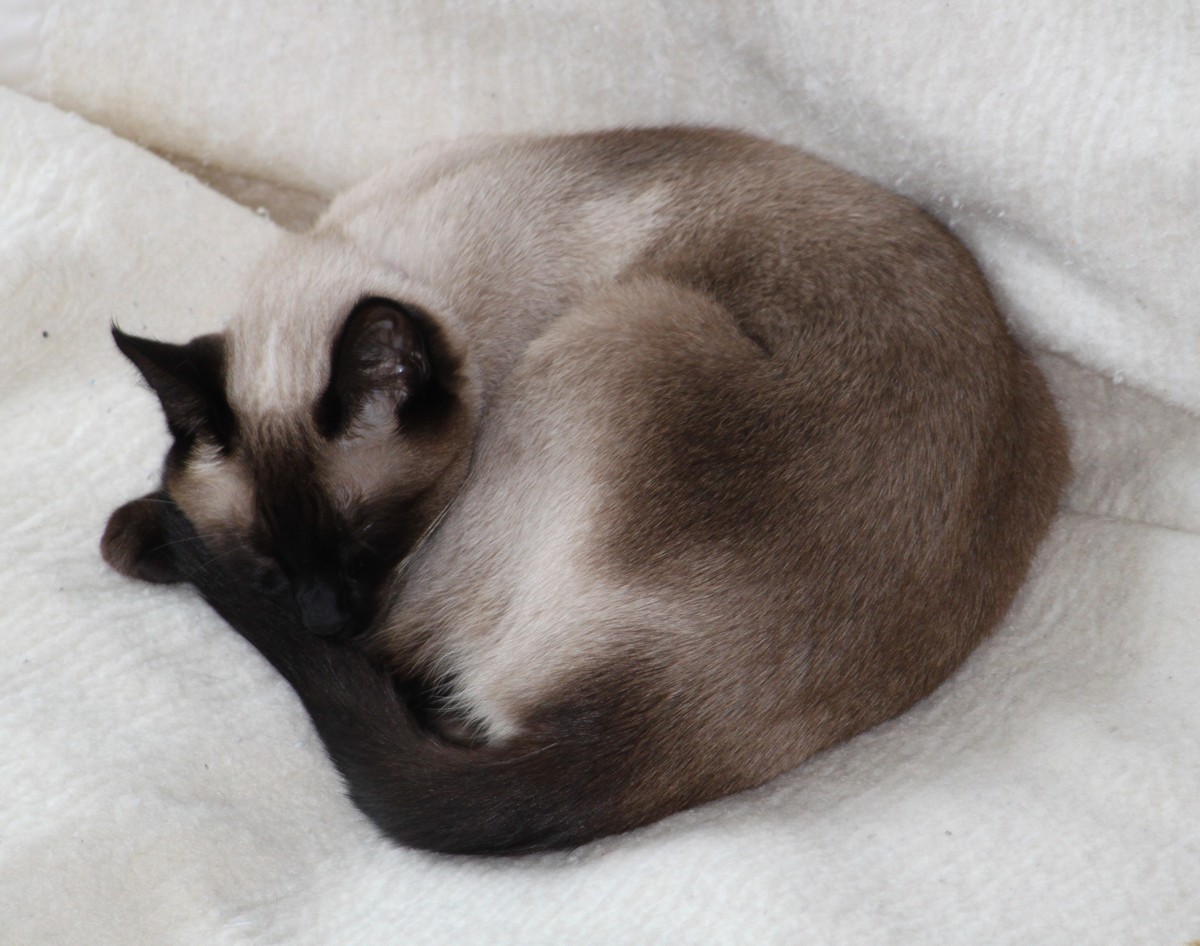
And a more recent photo of Lilly relaxing on the couch.
 Andy found Cairo. I took this photo within minutes of her discovery (and adoption by us) in Cairo, West Virginia where we found her. What has amazed me always is how smoothly she adapted to being with us. She acted from the very first moment as if she belonged with us. She never cried or ever seemed surprised or alarmed. It was as if this was the way it was supposed to be.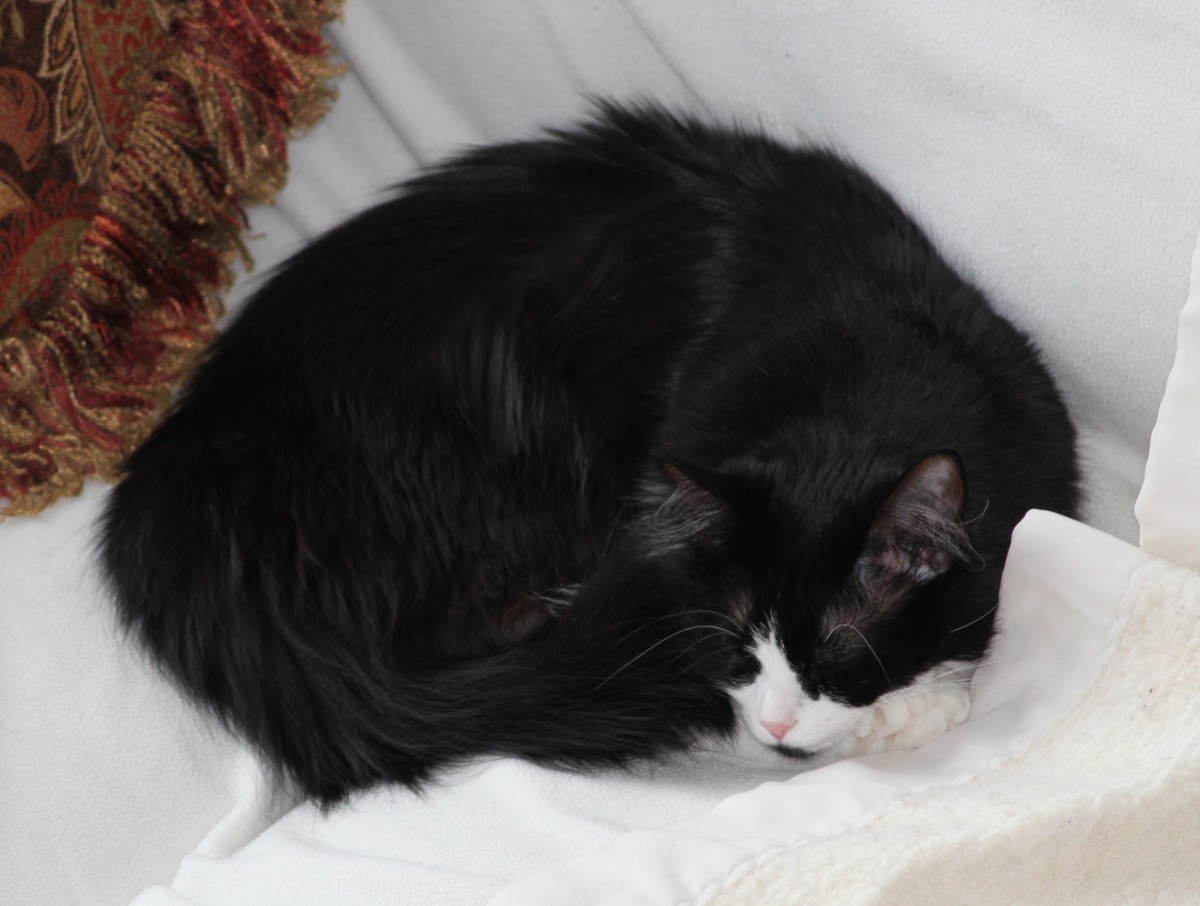
A more recent photo of Cairo. She's very big and very fat now.
 Cairo and Lilly on our new couch (which we had covered with sheets while we were teaching them to leave it alone).
Saturday, November 19, 2011
Adventures on Ebay
I landed a copy of Panic #10 via Ebay. This was the first comic I purchased since a crooked dealer tried to rip me off there. I had bought three copies of Panic from a fellow I will leave unnamed for now. The books had been graded at "VG", which means very good. When the books arrived they were flaking, coming apart, two of them had detached covers, and the one that still had its cover attached was because the spine was heavily taped. I, of course, immediately demanded a refund which he did not want to grant. Hilarity ensued.
I have to say that Ebay was really good during this minor tussle. They demanded that the dealer in question refund my money and they even took a portion of it from him and added it back to my Paypal account, the remainder to be refunded as soon as I returned the worthless books, which I did.
This latest issue I got (from a more reputable dealer) is classic Harvey Kurtzman material. I will assume that he did the layouts. Much of the material seems to have his hand in evidence. But the bulk of the book was illustrated by Will Elder and Jack Davis, both of whom did their usual exceptional work. Davis, in particular shows his talent, but I have to think that Elder was filing off the edges of his art here--I think that while Kurtzman and Gaines intended Panic to be pretty much a carbon-copy of Mad, they were making some minor moves to tone down the harsher aspects of the humor of Mad in favor of appealing to a wider audience...or at least a slightly different audience. Unlike Mad, the last few issues of Panic received the Comics Code Authority approval. But obviously the sales were not up to Mad's level and the title was snuffed out.

I have to say that Ebay was really good during this minor tussle. They demanded that the dealer in question refund my money and they even took a portion of it from him and added it back to my Paypal account, the remainder to be refunded as soon as I returned the worthless books, which I did.
This latest issue I got (from a more reputable dealer) is classic Harvey Kurtzman material. I will assume that he did the layouts. Much of the material seems to have his hand in evidence. But the bulk of the book was illustrated by Will Elder and Jack Davis, both of whom did their usual exceptional work. Davis, in particular shows his talent, but I have to think that Elder was filing off the edges of his art here--I think that while Kurtzman and Gaines intended Panic to be pretty much a carbon-copy of Mad, they were making some minor moves to tone down the harsher aspects of the humor of Mad in favor of appealing to a wider audience...or at least a slightly different audience. Unlike Mad, the last few issues of Panic received the Comics Code Authority approval. But obviously the sales were not up to Mad's level and the title was snuffed out.

PANIC #10.
Thursday, November 17, 2011
Working!
I'm neck-deep into a new project. Just now I'm going over the proofs of the manuscript for HISSMELINA. I hope to be done with those in a day or so and soon after that the book will see print.
Until then, mucho busy!

Until then, mucho busy!

HISSMELINA
Coming soon from
MONSTER BOOKS
Wednesday, November 16, 2011
Childhood Reading
All of us who write are, of course, influenced by other writers. And as far back as we were able to read some writers stand out.
For me, the writers of my childhood who helped put me on the path to being a writer are still foremost in my mind. Some authors were suggested to me by my parents, but I think the ones that I enjoyed most as a kid were the ones who I discovered on my own. And so, here is a list of the writers who amazed me and fascinated me and actually made me want to convey my own thoughts into passages to be read by others.
Jim Kjelgaard is one who I recall as an effective and insightful writer of children's books. He wrote about things that I enjoyed even when I was very young--the outdoors and the creatures who share the Earth with us. His style was very stark and no nonsense, but there was sometimes a softness to it that appealed to me. His novel that stands out the most and which I never forgot is FIRE HUNTER. Herein he tells the story of a primitive caveman who--in bouts of brilliance and good fortune--discovers how to make fire, to make throwing sticks, to domesticate dogs...Kjelgaard in a display of pure brilliance put into the lives of one prehistoric man and a single prehistoric woman shows how we might have made the initial technological discoveries that set us apart from the other animals. And may I point out that Mr. Kjelgaard did this decades before Jean Auel followed him.

I've written about Ernest Thompson Seton before, but I can't go too many years without mentioning him. More than any writer, his work had an enormous effect on me. Here was a man who had actual respect and compassion for our fellow creatures. He showed me that things such as prairie hens and cottontail rabbits and yellow dogs and powerful grizzly bears had feelings and emotions and personalities the same as people. I'm not sure how I found his books, but the first one I read was BIOGRAPHY OF A GRIZZLY. Here was a tale about an animal whose life was packed with misfortune and wealth, with pathos and joy, with danger and triumph. Here was a bear with a name--Wahb! I followed Wahb from birth to death, and not a sentence was anything less than amazing to me. I went on to read everything I could find by Seton, collecting and hoarding the novels and collections. Not a day goes by that I don't reflect on the lessons I learned from reading his books.

The first fantasist I read--even before my mom showed me books by Ray Bradbury--were the Dr. Dolittle books by Hugh Lofting. Here was a series devoted to a man of learning who could, quite literally, talk to the animals. From the moment I read the first line of the initial book I was captivated. Here was pure fantasy, not the more realistic material I enjoyed by other writers, but flights of fancy. And, as with Seton, the author also illustrated his own work with drawings wonderful enough to please any kid who found them. I found the first Dr. Dolittle book in the school library the first day of the third grade and I continued to check them out until, at last, I finally outgrew the stuff. But I never forgot it, and those tales hold a special place in my memories.
 Good old Dr. Dolittle. Hugh Lofting was the first writer I ever overdosed on. I finally reached a point where I couldn't stomach one more Dr. Dolittle novel. I must have blazed through about seven or eight of them before they lost that initial charm.
Another writer who grabbed my attention was Evelyn Sibley Lampman. And, of course, it was her best-selling novel THE SHY STEGOSAURUS OF CRICKET CREEK that stopped me in my tracks when I pulled the book down from the shelf. Wonderfully illustrated, it told the story of a talking stegosaurus discovered by a pair of kids out hunting for fossils in a western desert. Ms. Lampman was another one who had a way of speaking to kids. And more, she taught me that there were other human points of view than those I heard each day there in my Decatur Georgia neighborhood. Some people lived on ranches in the big sky country, and some kids were Indians who lived on reservations, and not everyone spoke English and listened to Dixie as if it were the national anthem.
 Sometimes a wonderful kid's novel is perfectly paired with a terrific and talented artist. So it was with THE SHY STEGOSAURUS OF CRICKET CREEK (art by Hubert Buel).
 This illustration astounded me when I was eight years old. It still does...
For me, the writers of my childhood who helped put me on the path to being a writer are still foremost in my mind. Some authors were suggested to me by my parents, but I think the ones that I enjoyed most as a kid were the ones who I discovered on my own. And so, here is a list of the writers who amazed me and fascinated me and actually made me want to convey my own thoughts into passages to be read by others.
Jim Kjelgaard is one who I recall as an effective and insightful writer of children's books. He wrote about things that I enjoyed even when I was very young--the outdoors and the creatures who share the Earth with us. His style was very stark and no nonsense, but there was sometimes a softness to it that appealed to me. His novel that stands out the most and which I never forgot is FIRE HUNTER. Herein he tells the story of a primitive caveman who--in bouts of brilliance and good fortune--discovers how to make fire, to make throwing sticks, to domesticate dogs...Kjelgaard in a display of pure brilliance put into the lives of one prehistoric man and a single prehistoric woman shows how we might have made the initial technological discoveries that set us apart from the other animals. And may I point out that Mr. Kjelgaard did this decades before Jean Auel followed him.
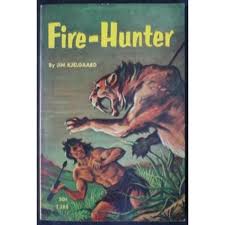
Kjelgaard did it first.
I've written about Ernest Thompson Seton before, but I can't go too many years without mentioning him. More than any writer, his work had an enormous effect on me. Here was a man who had actual respect and compassion for our fellow creatures. He showed me that things such as prairie hens and cottontail rabbits and yellow dogs and powerful grizzly bears had feelings and emotions and personalities the same as people. I'm not sure how I found his books, but the first one I read was BIOGRAPHY OF A GRIZZLY. Here was a tale about an animal whose life was packed with misfortune and wealth, with pathos and joy, with danger and triumph. Here was a bear with a name--Wahb! I followed Wahb from birth to death, and not a sentence was anything less than amazing to me. I went on to read everything I could find by Seton, collecting and hoarding the novels and collections. Not a day goes by that I don't reflect on the lessons I learned from reading his books.

"Wahb smashed his skull with a single blow."
In addition to being a great writer, Seton was a masterful artist--considered one of the finest wildlife artists of his day.
In addition to being a great writer, Seton was a masterful artist--considered one of the finest wildlife artists of his day.
The first fantasist I read--even before my mom showed me books by Ray Bradbury--were the Dr. Dolittle books by Hugh Lofting. Here was a series devoted to a man of learning who could, quite literally, talk to the animals. From the moment I read the first line of the initial book I was captivated. Here was pure fantasy, not the more realistic material I enjoyed by other writers, but flights of fancy. And, as with Seton, the author also illustrated his own work with drawings wonderful enough to please any kid who found them. I found the first Dr. Dolittle book in the school library the first day of the third grade and I continued to check them out until, at last, I finally outgrew the stuff. But I never forgot it, and those tales hold a special place in my memories.
 Good old Dr. Dolittle. Hugh Lofting was the first writer I ever overdosed on. I finally reached a point where I couldn't stomach one more Dr. Dolittle novel. I must have blazed through about seven or eight of them before they lost that initial charm.
Another writer who grabbed my attention was Evelyn Sibley Lampman. And, of course, it was her best-selling novel THE SHY STEGOSAURUS OF CRICKET CREEK that stopped me in my tracks when I pulled the book down from the shelf. Wonderfully illustrated, it told the story of a talking stegosaurus discovered by a pair of kids out hunting for fossils in a western desert. Ms. Lampman was another one who had a way of speaking to kids. And more, she taught me that there were other human points of view than those I heard each day there in my Decatur Georgia neighborhood. Some people lived on ranches in the big sky country, and some kids were Indians who lived on reservations, and not everyone spoke English and listened to Dixie as if it were the national anthem.
 Sometimes a wonderful kid's novel is perfectly paired with a terrific and talented artist. So it was with THE SHY STEGOSAURUS OF CRICKET CREEK (art by Hubert Buel).
 This illustration astounded me when I was eight years old. It still does...
Subscribe to:
Posts (Atom)